

How to Choose the Right Bento Lunch Boxes
As a parent who's been through the lunchbox chaos more times than I can count—with a kid who insists on taking “just the right” container—you know that picking the perfect bento box isn’t just about fancy designs or cool features. It’s about finding something durable, safe, and actually enjoyable for your little one to use (and not lose in the playground!).
Our Top Picks
Affiliate disclosure: if you buy through these links, we may earn a commission at no extra cost to you.

After testing out countless options with my own kids—sometimes ending in food flying across the kitchen—I’ve put together this straightforward guide. Let’s make lunch packing less of a battle (and maybe even fun!) by choosing the right bento lunch box that holds up to toddler tantrums, toddler snacks, and a parent’s sanity.
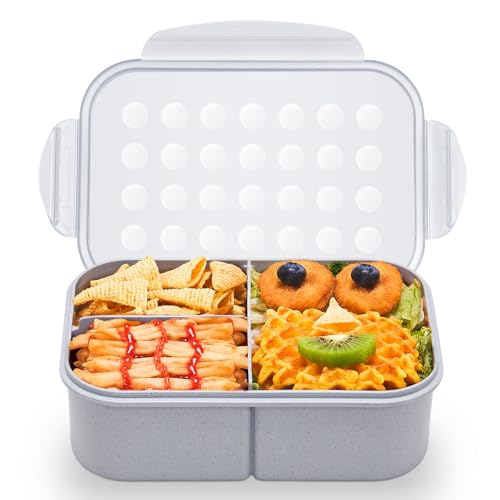
MISS BIG® Bento Box,Bento Box Adult,Lunch Box,Leak Proof Lunch Containers,No BPAs and No Chemical Dyes Bento Lunch Box,Dishwasher and Microwave Safe Lunch Containers for Adults(1900ml Gray)
$15.99Check Price
Table of Contents
1. Age Suitability
Before diving into bells and whistles, ask yourself: is this bento box appropriate for your child’s age? Some containers are designed with little fingers in mind—small, simple, and easy to open—perfect for 3- to 5-year-olds. Others come with more complex lids or features better suited for older kids who can handle more sophisticated closures.
For toddlers or preschoolers, look for containers with big, easy-to-grip latches or flip-top lids—nothing too fiddly that leaves you frustrated at 7 a.m. If your kid is still mastering zippers or small buttons, go for larger, BPA-free plastic boxes with a straightforward snap or clip system. Trust me, nothing kills the joy of lunch like a lid that refuses to stay shut or a container that's too complex for tiny hands to open independently.
2. Size and Compartments
Size matters—both for fitting enough food and for fitting comfortably into that awkward backpack or lunchbag. A container too tiny will leave your kid hungry; too big and it will become a toppling, food-spilling mess. Consider your child’s appetite and pack a box that’s just right.
Compartments are essential, especially if your child is a "little-food-group-mixer" or "food-keeper" type. Multiple sections help keep items from mingling—think sandwiches away from fruit slices or yogurt from crackers. But beware: too many compartments can make cleaning a nightmare or lead to tiny spaces where crumbs hide forever.
Tip: Opt for a bento box with removable dividers or an adjustable partition system—so you can customize as your kid’s tastes evolve.
3. Material Safety & Durability
Kids are unpredictable—sometimes, the lunchbox gets thrown, dropped, or smashed (not intentionally, but hey, they’re kids). Choosing a container made from durable, BPA-free, dishwasher-safe plastic (or stainless steel if your kid can handle non-breakable) is key. These materials not only endure the rough-and-tumble of school or daycare but also keep your worries about toxins at bay.
Keep an eye out for kid-safe, dishwasher-safe options—nothing worse than scrubbing food crumbs from a tiny crevice with a toothpick. Also, if your child is prone to loss or tossing, consider containers with secure clips or lids that "snap" shut rather than just lay on top.
Pro tip: If your kid is super rough, consider stainless steel boxes—they’re nearly indestructible, although a little heavier.
4. Ease of Use & Cleanup
Let’s face it—if a lunchbox takes longer to open than the lunch itself, chaos ensues. Look for containers with easy-open lids, wide mouths, or flip-up locks. Good news: many modern bento boxes are dishwasher safe, making cleanup a breeze—because hand-washing tiny compartments can be more frustrating than the kids’ tantrums you’re trying to avoid.
Watch out for designs that trap food in tiny corners. If cleaning your kid’s lunchbox feels like solving a puzzle, it’ll likely sit unused or become a breeding ground for bacteria. The best bento boxes are straightforward—snap, rinse, repeat.
5. Design & Fun Factors
Sure, safety and practicality are top priorities, but let’s admit it: kids love a lunchbox with their favorite characters or vibrant colors. A fun design encourages them to carry their lunch without fuss and even get excited about eating.
Look for options with appealing themes—dinosaurs, unicorns, superheroes—things that make your child smile at the breakfast table. Just be cautious: some fun graphics can hide small parts or intricate details that are tough to clean. Prioritize safe, BPA-free plastics with designs that won’t easily peel or fade over time.
6. Extra Features & Options
Finally, consider what extras make your life easier: leak-proof seals for liquids (like yogurt or sauces), built-in ice packs to keep food fresh, or matching utensils that stash neatly in a side compartment. Some boxes come with straps or clips to attach to backpacks—handy for little adventurers.
If you pack a variety of foods, look for leak-proof lids and separate containers that fit inside the main box—because nothing ruins a lunch faster than soggy crackers. Also, some boxes have sealed compartments ideal for dips, which can make snack time extra fun and less messy.
Tip: Avoid overly complicated features—simplicity often wins in the long run.
Frequently Asked Questions
Is a stainless steel bento box safe for kids?
Absolutely! Stainless steel is non-toxic, durable, and easy to clean. Just ensure your child can open and close it easily, as some models require more strength.
Are bento boxes dishwasher safe?
Most modern options are! Always check the manufacturer’s instructions, but I recommend dishwasher-safe containers for ease and cleanliness, especially with little and messy eaters.
What size bento box should I choose for a preschooler?
A box around 800 ml to 1 liter total capacity, with adjustable compartments, works well—large enough to hold a satisfying lunch but not so big it’s overwhelming.
How do I prevent spills and leaks?
Look for boxes with screw-on or clip-secured lids, leak-proof seals, and individual leak-proof containers inside. Test the closures before sending them off to school.
Can kids open their bento boxes on their own?
For the most part, yes—choose boxes with large, easy-to-activate locks or snap-fit lids. This encourages independence and reduces parent intervention during lunchtime.
What’s the best material for a bento box for active kids?
Durable BPA-free plastic or stainless steel are best. Plastic tends to be lighter, but steel is nearly indestructible—consider your child’s activity level when choosing.
Conclusion
Choosing the perfect bento lunch box doesn’t have to be a headache—focus on safety, durability, and fun, and you’ll find one that your kid will love (and actually use!). Remember to consider age appropriateness, ease of cleaning, and how well it survives the playground tests. Once you pick the right one, lunch packing will become just a little easier—and maybe even enjoyable.
Now, take a moment to evaluate your child’s needs, pick a few options, and get packing for a smoother, happier lunchtime. Happy feeding!


