

How to Choose the Right Kids Lunch Boxes for Spring and Summer Camps and Outdoor Activities
As any parent who's ever packed a lunch knows, choosing the right kids lunch box isn’t just about making it look cute (though, let’s be honest, that helps). It’s about safety, durability, and making mealtime less chaotic in the middle of a summer adventure. Whether your kid is braving a week at camp or just a full day at the park, a well-chosen lunch box can be a game changer—saving you from spills, leaks, and the dreaded "I lost my spoon" meltdown.
Our Top Picks
Affiliate disclosure: if you buy through these links, we may earn a commission at no extra cost to you.


From bustling mornings to endless outdoor activities, the right lunch container should stand up to your kid’s energetic nature, be safe for their little hands, and even get them excited about eating. So, let’s dive into how to pick a lunch box that’ll survive the chaos and make your kid’s summer meals enjoyable—and maybe even a tiny bit Instagram-worthy.
Lunch Bag for Kids Coole Lunch Box Tote for Women Girls Boys Children Student Insulated Bento Bag for School Work Picnic Outdoor Activities
$15.97Check Price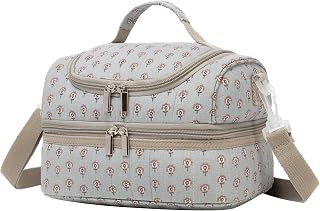


Table of Contents
Understanding Your Child’s Needs
Every kid is different—some love to bring a variety of foods in tiny containers, while others prefer everything packed tightly in one big compartment. Think about your child’s age, appetite, and eating habits. For a preschooler, a small, straightforward lunch box often works best—they’re less likely to lose pieces and more likely to be happy with simple stacking containers. For older kids heading to summer camp, consider larger sizes or models with multiple compartments so they can have snacks, wraps, and fruit all organized.
Also, consider your kid’s activity level. An active child who runs around all day might need a sturdy, insulated lunch box that keeps food fresh even during those sweaty outdoor games. And if your kid is notorious for tossing their lunch box or testing its limits like a tiny demolition expert, look for one with reinforced sides and a secure lid.
Material Matters: BPA-Free & Dishwasher Safe
First things first: safety. Skip cheap plastics that may contain BPA or phthalates—your kid’s health (and your peace of mind) is worth it. Look for lunch boxes made from BPA-free, food-safe materials. Many brands now clearly label their products as “BPA-free” and “phthalate-free,” making your choice easier.
When it comes to cleanup, dishwasher-safe options are a huge plus—let’s be honest, busy moms and dads don’t have time to hand wash everything after every outdoor adventure! Synthetic fabrics with removable inner liners are often dishwasher-friendly, and so are many hard plastic containers. Just double-check the manufacturer’s cleaning instructions before tossing them in the dishwasher to keep them looking new season after season.
Size & Compartments: Finding the Perfect Fit
Size matters, especially when a kid’s appetite varies with the day. A too-small lunch box leaves little room for snacks, while one that's too big might be a magnet for losing items or extra clutter. Measure your child's lunch size and also think about the types of food they prefer—are they into big sandwiches or bite-sized snacks?
Divided compartments are your friends—they help keep foods separated and avoid soggy sandwiches from contact with fruit or chips. However, if your kid loves mix-and-match bites, a simpler single-compartment box might work better. Don’t forget to consider the overall dimensions—especially if space in their backpack or camp tote is limited.
Design & Features That Encourage Kids to Eat
Kids are more inclined to eat lunch if they find their container fun and easy to use. Bright colors, fun characters, and clever features like built-in utensils or snack compartments can turn lunchtime into an eagerly anticipated part of the day. Plus, matching their favorite theme or color can make them more excited to carry it around.
For very young children, look for latch designs that are simple to open—no more wrestling with uncooperative lids while your kid desperately needs to get to the next activity. Insulated lunch boxes with a cute pattern can also help create positive associations with mealtime and make them more willing to eat the food packed inside.
Durability & Safety in the Outdoors
Outdoor activities mean your lunch box needs to withstand a few bumps, drops, and maybe even the sudden gusts of wind that scatter lunch everywhere. Think reinforced sides, leak-proof seals, and sturdy materials. Straps or clips can prevent accidental openings if your kid tosses their lunch bag during recess or a hike.
Also, for summer outings, consider an insulated box that keeps food cool (or warm)—important for perishable items and to prevent melty messes. And don’t forget safety: ensure the lid snaps on securely, and all materials are BPA-free, dishwasher safe, and free from toxins.
Practical Tips & Top Picks
Lastly, my best advice is to choose a model that matches your child’s camp or outdoor schedule and your own needs. Lightweight, dishwasher-safe, and highly durable lunch boxes with good reviews tend to survive the chaos better. Brands like Bentgo, OmieBox, and PlanetBox often lead the way—they have options for all ages, with features like compartment dividers, leak-proof seals, and vibrant designs.
If you're heading into a busy summer full of outdoor activities, consider packing an extra snack container or a popsicle mold to keep things fun and satisfying during long days outside. Remember, a happy kid means less fuss and less mess for you!
Frequently Asked Questions
Are insulated lunch boxes worth it for summer camp?
Absolutely! They keep food fresh and cool, preventing spoilage during long outdoor days, especially in hot weather. Just make sure they’re BPA-free and easy to clean.
Can I put a kids’ lunch box in the dishwasher?
Many are dishwasher safe—just check the label or manufacturer’s instructions. Hard plastic containers are usually fine, but some fabric-lined boxes need hand washing.
What size should I choose for a preschooler?
A small, 4-6 cup capacity box usually suffices. For older kids, go bigger or with separate compartments to hold more snacks and meals.
Are silicone or plastic lunch boxes safer?
Silicone is flexible, durable, and often BPA-free, making it a great choice. Good-quality plastic can also be safe if labeled BPA-free—just avoid cheap plastics that can crack or stain easily.
What features make a kids’ lunch box more fun and practical?
Look for bright colors, favorite characters, easy-open lids, and additional removable compartments. Some even come with built-in utensils or side pockets for drinks and snacks.
Conclusion
Choosing the right kids' lunch box for spring and summer camps isn't just about cute designs—it’s about safety, durability, and making mealtime a breeze during busy outdoor adventures. Think about your kid’s age, activity level, and food preferences, and select a box that fits those needs while standing up to the chaos of summer fun. With a little planning, you'll make packing lunches a less chaotic, more enjoyable part of your summer routine—and your kids will thank you (probably with full bellies and big smiles).
Ready to find that perfect lunch box? Start by assessing your child's needs, then browse trusted brands knowing you’re giving them something safe, durable, and fun to look forward to every day.


