

Bento Lunch Boxes Buying Guide: What to Look For in 2026
🏆 Top Picks at a Glance
 #1
#1
Best Overall
Our Top Picks
Affiliate disclosure: if you buy through these links, we may earn a commission at no extra cost to you.
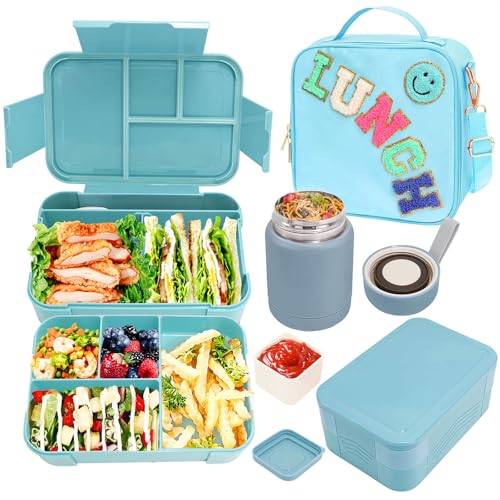
Bento Box Adult Lunch Box - 4 Pack, 5 - Compartment Meal Prep Container for Kids, Reusable Food Storage Snack Containers - Stackable for School, Work, and Travel (Wheat(Green/Blue/Pink/Beige))
$16.99
Check Price →
#2
Runner Up
Akinod Bento Lunch Bag Blue
$32.99
Check Price →
#3
Best Value
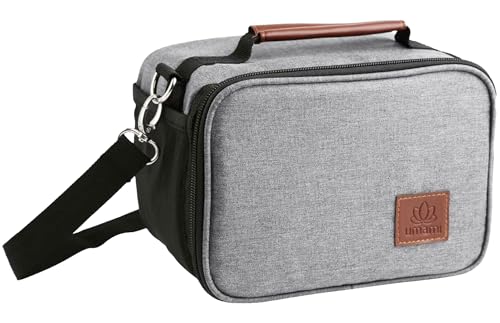
Akinod Bento Lunch Bag Gray
$14.99
Check Price →⚡ Quick Answer
When it comes to packed lunches and snack time, a good bento box isn’t just about cute compartments or funky designs—though those are fun! As a parent who's endured the chaos of kids mealtime, I know that finding a durable, safe, and enjoyable lunch container can make all the difference. From toddlers who love throwing everything to tweens who want to feel "grown-up," choosing the right bento in 2026 means considering safety, quality, and kiddo approval.
Table of Contents
In this guide, I’ll walk you through what really matters—beyond the glossy packaging—so you can pick a lunch box that survives your child's energetic explorations and keeps their food fresh and safe. Trust me, I’ve tested more than a few, and I’m here to simplify your decision-making so your mornings are just a little less chaotic.
Age Suitability and Size
First things first, check the age recommendation on any bento lunch box. Tiny toddlers benefit from smaller, simpler containers with fewer compartments to prevent choking hazards or spills, while older kids might appreciate larger options with more sections for variety. For ages 3-5, look for boxes with lids that close securely but are easy enough for little hands to open with some help. For school-aged kids, consider something a bit sturdier with enough space for a morning's worth of snacks and lunch.
Practical tip: Measure your child's school bag or backpack to ensure the lunch box fits comfortably without crushing or causing bulk. It’s frustrating to find the perfect container only to discover it’s too big or too small after the purchase.
Material Safety and BPA-Free Concerns
Safety should always come first. Many older lunch boxes were made with plastics containing BPA or other potentially harmful chemicals. Thankfully, in 2026, most reputable brands now tout BPA-free, phthalate-free, and lead-free plastics. Always check labels—"BPA-free" isn’t just marketing fluff anymore, it’s a must-have.
My advice: opt for containers made from Tritan or premium-grade stainless steel (if your child is old enough to manage a metal box). These materials are not only safer but also resistant to staining, warping, and odors—even after countless lunchtime adventures.
Durability & Design Features
Kids are experts at testing limits, often tossing and dropping their lunch boxes -- sometimes with classic "accidental" enthusiasm. A high-quality bento should withstand falls, squishing, and the occasional thrown fistfight. Look for sturdy latches, reinforced corners, and impact-resistant shells.
Design-wise, I look for leak-proof seals and locking mechanisms that won’t pop open when the lunchbox takes a tumble. Additionally, a compact design with minimal unnecessary parts means fewer things to break or lose. Bonus points if your kiddo’s chosen style features their favorite colors or characters—they’re way more likely to actually use it!
Ease of Use & Cleaning
Let’s face it, a complicated latch system or tiny compartments can lead to frustration, both for kids and parents. Look for a lunch box with simple, one-handed lid operation and dishwasher-safe parts. I’ve learned the hard way that those "special" containers with overly fiddly locks are often unloved and abandoned after just a few uses.
Tip: Containers made of smooth, non-porous plastics are more hygienic and easier to clean, preventing bacteria buildup. Consider whether the compartments are removable—those are easy to wash separately and dry quickly.
Fun Factor & Kid Approval
Kids are more excited about lunch when their bento boxes are colorful, themed, or just plain silly. From superhero emblems to animal shapes, a design that makes your child smile encourages them to eat more willingly (yes, even broccoli). And when they genuinely enjoy using their lunch box, it simplifies mornings and reduces repeated requests for "just one more snack."
Pro-Tip: Involve your children in picking out their box. When they have a say, they’re more likely to take ownership and handle it responsibly.
Additional Features to Watch For
Beyond the basics, consider extra features that can enhance your experience:
- Compartmentalization: Multiple sections for separating sandwiches, fruits, veggies, and snacks helps keep everything neat and appealing.
- Insulation: Some boxes come with thermal protection to keep hot foods warm or cold foods chilled—perfect for long school days or outings.
- Eco-friendly materials: Look for biodegradable or sustainably made options if you're eco-conscious.
- Extra accessories: Bento sets with included utensils, sauce containers, or snack cups can be a real time-saver.
Frequently Asked Questions
Are bento boxes dishwasher safe?
Most modern bento boxes are dishwasher safe, especially those made from durable plastics or stainless steel. Check the manufacturer's instructions, but I recommend regular dishwasher cleaning to keep everything hygienic.
Can kids open and close leak-proof containers?
Yes, but it depends on the design. Look for containers with easy-to-operate locks and seals suited to your child's age. Younger kids may need some help, so practice opening and closing together until they get the hang of it.
What size bento box is best for a 4-year-old?
A compact box around 600-800ml capacity works well—large enough to hold a decent lunch but small enough for little hands to manage comfortably.
Are stainless steel bento boxes safe for kids?
Absolutely! They’re durable, BPA-free, and great at keeping food fresh. Just make sure your child can open and close the lids or have an adult assist if needed.
How do I clean the smallest compartments and seals?
Remove them whenever possible and wash separately with warm soapy water. Use a small brush or cloth to reach tight spots, ensuring everything stays sanitary.
Conclusion
Choosing the right bento lunch box in 2026 means prioritizing safety, durability, convenience, and—let’s be honest—a dash of fun. Think about your child's age, habits, and preferences, and don’t be afraid to spend a little more on a quality piece that’ll survive the tumult of lunch hour for years to come. With the right container, lunchtime will be less of a daily battle—and maybe even something your kids genuinely look forward to!
Now that you’re armed with these tips, it’s time to pick your new favorite lunch companion. Happy packing!


