

How to Pack Spring Picnic Lunches
When you’re packing for the chaos-filled mornings, durability matters more than a cute pattern. Look for containers designed for daily use and able to survive a few tumbles from the high chair or the lunchbox tossed into a backpack you forgot you were carrying. EasyLunchboxes Original containers are BPA-free, reusable, and come in sets of 10 with three compartments each, designed for both kids and adults, which helps with consistency in lunch-packing routines. Dishwasher-safe designs make cleanup less of a battle after school pick-up, reducing the “did we forget to wash this before tomorrow?” drama. Age suitability: great for little ones starting around preschool age and up, with supervision as needed for younger toddlers learning to open and close lids.
Choosing Bento-Style Lunch Boxes: Compartment Sizes and Materials
Think about how your kid actually eats: protein, veggies, and fruit all need their own space to prevent soggy salads and sad lunches. A 3-compartment design is standard and easy to portion; you can also find options with more or fewer compartments depending on appetite and age. Materials matter: BPA-free plastics are common, but stainless steel variants can offer extra durability if you’re worried about leaks. For school-age kids who can navigate their own lunch, secure lids and reliable seals are worth prioritizing. Age suitability: adapt the choice to toddlers learning independence and older kids who rely on independence for school lunches.
Kid-Friendly Design Features: Easy-Open Solutions for Fine Motor Skills
If a lid is a puzzle, you’ll hear about it at the table. Prioritize easy-open tabs or one-handed latches that promote independence for kids with fine motor delays, while still staying secure enough to prevent spills. The research notes that specially designed, easy-to-open lunch containers support autonomy in young children. Try lids with simple pop-and-seal mechanisms or wide grips; test with your child to confirm it’s actually usable. Age suitability: especially valuable for toddlers (2-4) learning to do lunch prep themselves, up through school age.
Space-Saving Storage: Nesting Containers for Small Kitchens
Nesting or stackable containers store neatly inside one another, saving precious cabinet real estate for families with limited storage. Nesting provides significant space-saving advantages, making it easier to keep multiple days’ worth of lunches ready-to-go. If you’re packing for more than one child, a set that nests together helps you stay organized and reduces the “where did I put the other lid?” chaos. Age suitability: useful for any age, especially households juggling multiple kids and a compact kitchen.
Age-Appropriate Portions and Safety: From Toddlers to School-Age
Portion sizes matter, and so does safety. Montessori environments often require packed lunches for children as young as 2-4 years old five days per week, so choosing containers that support easy portioning and independence helps build routines early. The guidance also highlights protein-packed lunches and nutrient-dense, organic foods without grains or unnecessary additives to navigate picky eating while keeping nourishment on track. For toddlers, keep lids easy to open; for older kids, verify that containers are truly kid-friendly and can keep up with growing appetites. Age suitability: designed to cover toddlers through school-age children, with adjustments as kids grow and their independence increases.
Table of Contents
Our Top Picks
Affiliate disclosure: if you buy through these links, we may earn a commission at no extra cost to you.

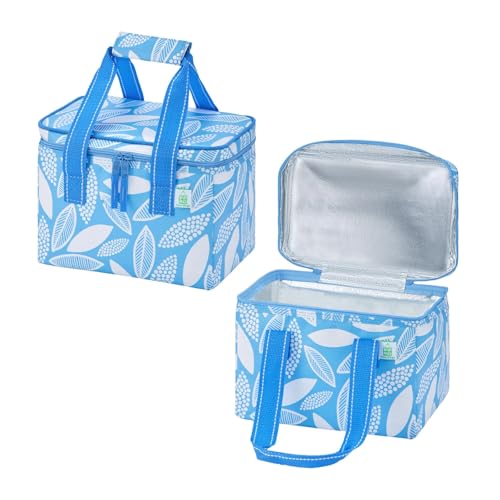

Factors to Consider
Essential Container Features: Durability and Dishwasher Safety Standards
Frequently Asked Questions
Are EasyLunchboxes BPA-free and dishwasher-safe?
Yes. EasyLunchboxes Original containers are BPA-free and designed for daily reuse, making them a practical choice for busy families. They come in sets of 10 with 3 compartments each, and many families find the top-rack dishwasher safe option keeps cleanup manageable after long days of packing lunches for multiple kids.
How durable are these lunch boxes for rough-and-tumble kids?
They’re built for daily use and can tolerate the bumps of school and after-school chaos, but treat them as kid gear and avoid intentionally tossing them from high distances. A robust lid seal and sturdy body play a big part in long-term durability, which matters when you’re packing for multiple children who share containers.
Are these containers good for toddlers with fine motor delays?
Absolutely—these designs often include easy-to-open features that promote independence. Research notes that children with fine motor delays benefit from specially designed easy-to-open lunch containers, which helps them participate in lunchtime routines more confidently. Always supervise initially to ensure the mechanism stays safe and easy for your child to use.
Do nesting containers really save space?
Yes. Nesting containers let you store a week’s worth of lunches in a compact footprint, which is a real win for kitchens with limited storage space. The space-saving advantages are frequently highlighted as a key reason families choose nesting designs, especially when packing for multiple kids.
What age are these lunch boxes appropriate for?
They’re versatile, but the most helpful features tend to be appreciated by ages 2-4 in Montessori settings, with continued use as kids grow into school age. Montessori contexts note five days-per-week packing for young children, so starting early helps build routine. Always assess your child’s ability to open and close the container safely before handing it over alone.
How can I pack nutritionally balanced lunches with these containers?
Focus on protein-packed options and nutrient-dense organic foods without grains or unnecessary additives to support picky eaters while ensuring real nourishment. Experts recommend these kinds of meals to sustain energy for afternoon play, and a consistent set of lunch tools helps make this easier to maintain day after day. A reliable, reusable system reduces weekend decision fatigue and keeps meals predictable for kids and parents alike.
Are these containers good for spring picnics and outdoor use?
Yes, especially when paired with insulated bags and ice packs to keep perishables fresh on warmer days. Durable, BPA-free materials with secure lids stand up to outdoor use, and a simple, effective system makes cleanup after a day of play much easier.


