

How to Pack Spring Lunches
Choose gear labeled BPA-free, phthalate-free, and lead-free. Since the FDA banned BPA in infant feeding devices in 2012, many brands extend that standard to older kids' lunch gear, but always double-check product notes. For ages 3 and up, look for food-grade plastics, stainless steel, or silicone that can survive the snack-bag chaos without leaching flavor. Also note if the product is microwave- or freezer-safe, because some items are better kept out of microwaves for safety and longevity.
Table of Contents
Our Top Picks
Affiliate disclosure: if you buy through these links, we may earn a commission at no extra cost to you.
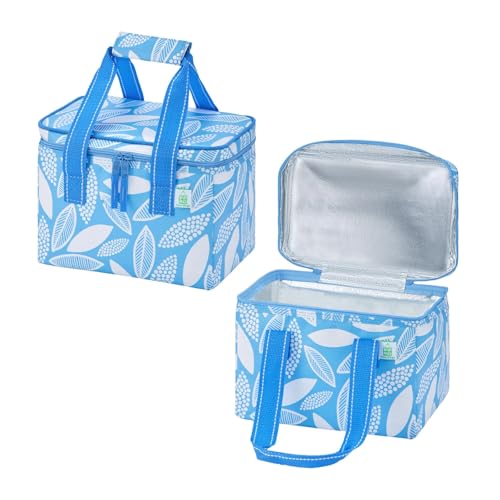

Factors to Consider
Safety first: materials that stay calm under pressure
Durability and leak-proof design
Kids will throw, drop, and chew on their gear, so pick solid construction with reinforced corners and sturdy closures. A leak-proof lid with a silicone gasket helps pack items for a bus ride without a soggy backpack; be sure to test one-handed opening for little hands and bigger siblings. For ages 4-8, durability matters more than flashy color; look for items that can withstand daily dishwasher cycles and occasional drops.
Age-appropriate design and usability
Check the packaging for age recommendations (common ranges are 2+, 3+, or 4+) and pick items that match your child’s motor skills. Turn-down-the-hungry-teenager zone with easy-grip handles, large lids, and utensils designed for small hands helps kids feel capable; for older kids, consider lids with quick-release tabs or built-in features you can grow into. For toddler meals, safety features like blunt knives and spill-proof cups are essential; many sets target ages 3-6, but always supervise.
Cleaning, maintenance, and ease of use
Dishwasher-safe pieces save you time, but confirm whether items are top-rack only or require hand-washing to preserve seals. Removable inserts and tray compartments simplify cleaning and help you avoid mixing foods with strong odors; look for stain-resistant materials if you’re feeding love of beet juice or blueberries. For spring lunches, choose pieces that assemble quickly, dry completely, and nest neatly for compact storage.
Frequently Asked Questions
1. Are these BPA-free and safe for kids?
Yes. Most products in this category are labeled BPA-free, and many brands also avoid phthalates and lead. The FDA banned BPA in infant feeding devices in 2012, and manufacturers frequently extend that standard to older kid gear; always check the label for food-grade materials and any caveats about high-heat use.
2. Are these dishwasher-safe?
Many containers are top-rack dishwasher-safe, but always read the product notes. Some parts with seals or soft silicone should be hand-washed to preserve seals over time. For kids ages 3-8, a quick top-rack cycle usually does the trick.
3. What age is this appropriate for?
Packaging typically lists an age range (commonly 2+, 3+, or 4+). Toddler plates and snack cups often start at 12-24 months, while lunch boxes and kid-safe knives usually target ages 3-6+ with appropriate supervision. Always follow the manufacturer’s age guidance and supervise early use.
4. Do these sets include child-safe knives?
Some kits include blunt-tipped knives designed for ages 5 and up and used under adult supervision. If your child is younger, skip the knife and focus on safe utensils and fine motor practice. Safety notes on the packaging will tell you the recommended age for any cutting tools.
5. Are lunch boxes leak-proof?
Many lunch containers feature leak-proof lids and silicone seals to reduce backpack spills. Leaks can still happen if the container is overfilled or jostled, so test it with water before school-day use. For liquids like yogurt, consider a separate leak-proof pouch or a double-seal design.
6. Will kids actually enjoy using these?
Yes—bright colors, compartments, and kid-friendly shapes often win kids over. Research in pediatric nutrition and early education suggests that involving kids in meal prep or lunch packing increases willingness to try new foods. Let them choose colors or patterns and start with familiar favorites to build enthusiasm.
7. How should I clean and maintain these to extend life?
Rinse promptly after use and follow dishwasher guidance; top-rack is common, but some parts may require hand-washing to preserve seals. Remove removable inserts to clean all surfaces and prevent staining; air-dry completely before reassembling to avoid mold or odor buildup.
Conclusion
Spring lunches become a breeze when safety, durability, and kid-friendly design lead the way. Start with BPA-free, dishwasher-safe options with age-appropriate features, and your kids will actually enjoy packing and eating their lunches—chaos included.


