

How to Choose the Right Toddler Plates
Our Top Picks
Affiliate disclosure: if you buy through these links, we may earn a commission at no extra cost to you.


If you've ever watched a toddler launch a ceramic plate across the kitchen (yes, I have), you know that choosing the right plate isn't just about aesthetics—it's about survival. Over the past five years of testing kids' products with my own three children and countless parent friends, I've learned that toddler plates are one of those deceptively important purchases that can make mealtime either a joy or a disaster. The right plate encourages self-feeding, prevents unnecessary cleanup, and honestly, might just survive being used as a frisbee.
But here's the thing: not all toddler plates are created equal. Material matters. Size matters. Suction matters (yes, really). In this guide, I'm breaking down exactly what to look for so you can skip the trial-and-error phase and invest in plates that actually work for your family—and won't shatter when they hit the floor for the hundredth time.
Hlukana 24 Pcs Wheat Straw Dinnerware Cutlery Set, Unbreakable Tableware Set, Including Kids Toddlers Divided Plates, Bowls, Cup, Cutlery Spoons Knifes Forks, BPA Free, Microwave Dishwasher Safe
$19.99Check Price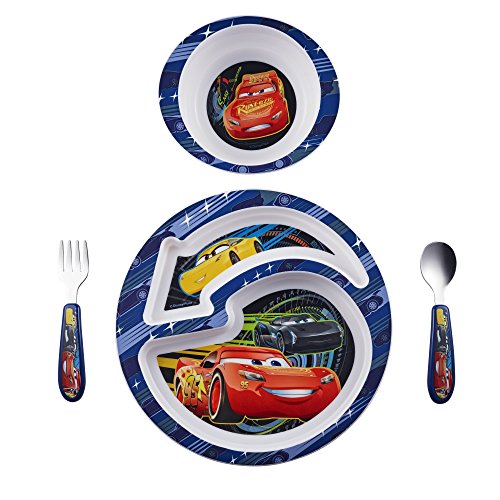
Table of Contents
Understanding Toddler Plate Materials
Let me start with the material question because it's literally the foundation of everything else. When I was choosing plates for my oldest, I defaulted to ceramic because it felt "healthier." Spoiler alert: ceramic is lovely until it breaks into sharp pieces that make your heart stop. Now I test everything with a specific question in mind: what happens when this hits the floor?
Silicone plates are durable and won't break, but they can absorb stains and food odors if you're not careful. Bamboo fiber plates are lightweight, eco-friendly, and gentle on little hands, but they can warp in the dishwasher and aren't always truly microwave-safe despite what the label says. Plastic plates (specifically BPA-free polypropylene or melamine) are your workhorses—they're practically indestructible, dishwasher-safe, and honestly, they don't absorb odors like silicone does.
My personal sweet spot? Silicone with a reinforced rim for toddlers ages 12-24 months, then transitioning to high-quality plastic or melamine plates for ages 2+. Melamine specifically scores points because it's designed to withstand impact and looks less babyish as kids grow, which means you'll actually keep using it instead of upgrading constantly. Always verify BPA-free, phthalate-free, and lead-free certifications—check the bottom of the plate for these claims.
Size and Compartment Considerations
This is where most parents get it wrong. They see adorable divided plates with three compartments and think, "Perfect!" Then they realize that toddler portions are actually tiny, and those compartments are proportioned for adult taste. A standard toddler plate should be 6-8 inches in diameter—not 10 inches like regular plates. If it's too big, your toddler gets overwhelmed by the amount of food visible, and if it's too small, you're constantly refilling it.
Compartments are genuinely helpful, but here's what actually works: you need at least one larger section for the main item (pasta, rice, whatever) and one smaller section for sides. Three to four compartments is ideal. Why? Because it prevents food from mixing (which some toddlers hate) and it helps with portion control. When I use a sectioned plate versus a regular one, my kids actually finish meals more often. Also, consider that you'll be pairing this with a sippy cup, water bottle, or small bowl, so the plate itself doesn't need to be enormous.
One often-overlooked detail: raised edges. A plate with a subtle ridge or lip prevents food from sliding directly into your toddler's lap. This is especially important if you're using the plate in a high chair tray or on a lap during travel. Flat plates look cleaner, but they're inefficient for the 18-36 month crowd.
Safety Features That Actually Matter
When we talk about toddler plate safety, we're talking about three specific things: material safety, edge safety, and the risk of choking hazards during use. Let's separate the real concerns from the marketing hype.
Material safety means BPA-free, absolutely. But also look for melamine or polypropylene plates that have been tested for lead and phthalates—this matters more than people realize, especially if you're buying from unfamiliar brands. Check for third-party testing certifications (Prop 65 compliance, CPSIA compliance). The plate itself should have smooth, rounded edges with no sharp spots where manufacturing seams might have rough edges. Run your finger along the rim and bottom seam—does anything feel sharp or splintered? If yes, return it.
Now, about suction-cup bases: they're fantastic in theory, but they actually create a safety consideration. A plate with suction cups that sticks too firmly can be a frustration factor for developing toddlers who are learning independence. Conversely, suction cups that don't stick at all are pointless. The sweet spot is a plate that stays put when needed but doesn't require superhuman strength to lift. Test this before committing to a purchase if possible.
One more safety note specific to toddlers: avoid plates with small decorative elements that could potentially be chewed and detached. I know they're cute, but a glued-on plastic butterfly or bead is a choking hazard. Painted or printed designs should be food-safe and non-toxic—they will end up in your toddler's mouth.
Durability Testing: What Survives Real Toddler Life
I'm going to be brutally honest: I've tested plates by literally throwing them on hard kitchen floors. This isn't just for fun (though my kids found it entertaining). It's because a plate that survives one drop but cracks on the second isn't actually durable—it's just lucky. Real durability means consistent performance over hundreds of uses and dozens of drops.
Silicone plates perform beautifully in drop tests—they bounce and flex without breaking. However, after about 18-24 months of regular use, they start showing wear. The texture roughens, stains become permanent, and they feel a bit sticky even after washing. High-quality melamine plates, by contrast, handle drops just as well but maintain their appearance longer. I've got melamine plates in my cabinet that have survived three years of use and still look acceptable.
Dishwasher safety is your actual durability test. Throw it in the dishwasher 200 times (okay, you don't need to count, but you'll know it's been heavy rotation). Does the color fade? Do the compartments warp? Does the suction cup still work? Does it become brittle or discolored? Some plates handle this beautifully; others start showing stress cracks in the seams. Bamboo plates specifically tend to warp after about 100 dishwasher cycles, which is something to know going in. If hand-washing is your preference anyway, this is less relevant, but most parents with toddlers don't have time for that.
I recommend buying a single plate and putting it through your personal dishwasher gauntlet before investing in a full set. It's worth the extra few dollars to avoid wasting money on a set that won't work for your household.
Matching Plates to Your Feeding Style
Here's something I don't think gets discussed enough: the right toddler plate depends on how you actually feed your child. Are you doing traditional spoon-feeding, baby-led weaning, or a combination? Do you meal-prep portions in advance using containers, or do you plate food fresh? Do you use high chair trays, or are you doing table meals? These details completely change what plate makes sense for your family.
If you're doing traditional spoon-feeding with purees and soft foods (ages 6-12 months typically), you don't actually need a toddler plate yet—a simple bowl with a suction cup base is more practical. Once you transition to self-feeding with finger foods and soft chunks (12+ months), that's when compartmented plates shine. If you're doing baby-led weaning, you might prefer a larger, flatter plate that gives you more surface area to spread out varied foods so your toddler can see options.
Consider your plate-to-other-items ratio too. Are you using this plate as part of a coordinated kids' dish set, or are you mixing and matching? I personally use sectioned plates with separate sippy cups and small snack containers because it keeps things organized in the diaper bag. Other parents prefer all-in-one compartmented plates that include a cup attachment. Neither is wrong—it's about matching your lifestyle. If you travel frequently or pack bento-style lunches, a plate that nests with compatible containers is invaluable. If you're mostly eating at home, a standalone plate is fine.
Budget vs. Quality: Where to Invest
Here's my no-nonsense take on budget: you don't need expensive designer toddler plates, but you shouldn't buy the cheapest option either. There's a middle ground where quality and value intersect, and that's where I recommend spending your money. Plates under $5 each are often made with lower-grade materials and might not be properly tested for safety. Plates over $15 each are often paying for branding or aesthetics rather than actual functionality.
The sweet spot is $7-12 per plate for quality melamine or silicone options from established brands with transparent safety information. At this price point, you're getting properly tested materials, reasonable durability, and plates that won't completely bankrupt you when you inevitably buy multiple sets (because let's be real, you will). I typically recommend buying a set of 3-4 plates so you can go longer between dishwasher loads—a practical consideration when you're parenting small humans.
My actual advice? Don't buy the fanciest set with all the bells and whistles. Buy plates that are boring, functional, and well-reviewed. A simple three-compartment melamine plate in a primary color is infinitely more useful than a trendy plate with character designs that fade after six months. Save the cute factor for the lunch bag or sippy cups if you want to inject personality into mealtime.
One last budget note: consider that some specialty kids' dish sets are overpriced simply because they're marketed as "complete systems." You might be better off building your own system—toddler plates, a separate sippy cup you love, and a dedicated snack container—rather than buying an expensive bundled set that includes items you don't actually need.
Last updated:
About the Author: Sarah Whitfield — Sarah is a pediatric nutritionist and mother of three who reviews kids' kitchen gear, lunch products, and family meal prep tools. She focuses on safety, durability, and whether kids will actually use them.
Frequently Asked Questions
How do I choose the right toddler plate material?
The best toddler plates are made from durable, non-toxic materials like silicone, bamboo, or BPA-free plastic that can withstand drops and dishwasher use. Avoid ceramic and glass plates for active toddlers, as they break easily and create safety hazards. Look for FDA-approved materials that are free from harmful chemicals and phthalates.
What size toddler plate is best for my child?
Most toddlers aged 1-3 years do well with plates that are 7-8 inches in diameter, while older toddlers (3-5 years) can use 9-10 inch plates. Compartmentalized plates work well for separating different food groups and encouraging self-feeding without mixing flavors. Consider getting a plate with raised edges to help prevent food from sliding off during meals.
Is it worth buying compartment plates for toddlers?
Yes, compartment plates (similar to bento lunch boxes) are worth the investment as they help portion meals appropriately, teach food organization, and make packing lunches easier. They prevent different foods from mixing together, which many toddlers prefer, and the visual separation can encourage trying different foods. This makes them valuable for daily meals and on-the-go feeding with lunch bags.
How do I ensure toddler plates are safe?
Look for plates with safety certifications like FDA approval, non-slip bases to prevent sliding during meals, and smooth edges without sharp points. Avoid plates with small detachable parts that could become choking hazards, and check that any coatings or designs won't chip or peel off. Test the plate's grip and stability before purchasing to ensure it won't tip easily during self-feeding.
What features should I look for in a toddler plate set?
The best toddler plate sets include matching snack containers, sippy cups, or water bottles that coordinate for meal times and make cleaning easier. Look for sets made from the same non-toxic material throughout, microwave and dishwasher-safe construction, and included utensils or child-safe knives if you're building a complete feeding system. Consider sets that grow with your child, offering versatility from baby food stage through preschool.
How do I maintain and clean toddler plates properly?
Most quality toddler plates are dishwasher-safe, but hand washing with warm soapy water extends their lifespan and prevents warping from high heat. Inspect plates regularly for cracks, peeling coatings, or discoloration that indicates material breakdown, and replace them as needed. Store plates in a designated, accessible cabinet so toddlers can participate in setting the table safely.
Are divided toddler plates better than regular ones?
Divided plates are generally better for toddlers because they encourage portion control, prevent food mixing (important for picky eaters), and make meal prep more intuitive. They also work seamlessly with lunch bags and bento-style storage systems, making them ideal whether you're feeding at home or packing meals. Regular plates may be suitable for older toddlers who are less particular about food separation.
🛒 Relevant Products for This Topic
Affiliate disclosure: if you buy through these links, we may earn a commission at no extra cost to you.
Hlukana 24 Pcs Wheat Straw Dinnerware Cutlery Set, Unbreakable Tableware...
$19.99
View Product Details →24 PCS Wheat Straw Dinnerware Set for Kids Toddler Plate Bowl Cup Sets...
$19.99
View Product Details →The First Years Disney/Pixar Cars Dinnerware Set - Toddler Plates and...
$16.99
View Product Details →

