

How to Choose the Right Kids Cooking Sets
Let's be honest: kids cooking sets can be a game-changer. They're not just about cute aprons and tiny utensils—they're about giving your child a genuine seat at the table, literally. But here's the thing I've learned from testing dozens of sets with my own three kids: a pretty box doesn't mean much when your four-year-old drops the "unbreakable" knife on her toe or your six-year-old's apron ties get tangled in everything. Choosing the right set means looking past the Instagram appeal and focusing on what actually works, what's safe, and what your kid will actually use.
Our Top Picks
Affiliate disclosure: if you buy through these links, we may earn a commission at no extra cost to you.

After years of baking with flour-covered toddlers and watching my kids genuinely light up when they helped make dinner, I've figured out what separates the keepers from the closet-dwellers. This guide will walk you through every decision you need to make—from size and material to age-appropriateness and real durability—so your investment becomes a tool your kid actually reaches for, not a dust collector.
Step2 Best Chefs Kids Kitchen Playset, Indoor/Outdoor Kitchenette, Interactive Play with Lights and Sounds, Made of Durable Plastic, Includes 25 Piece Toy Accessories, For Toddlers 2+ Years Old
$99.99Check Price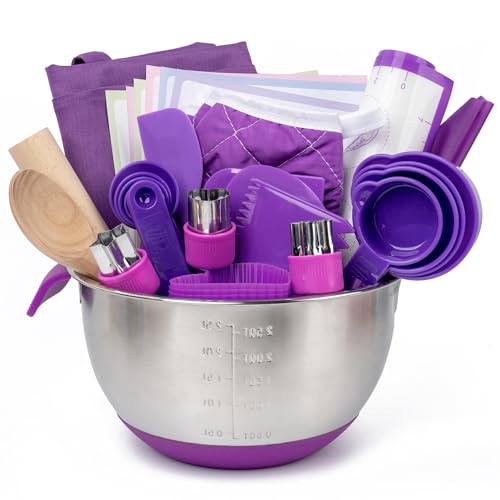
Table of Contents
Understanding Age Suitability: It Actually Matters
This is where most people go wrong. They see an adorable kids cooking set and think "my kid will grow into it." Here's the reality: a set designed for an 8-year-old is genuinely frustrating for a 4-year-old, and vice versa. I learned this the hard way when I bought my daughter a "universal" set at age three, only to watch her struggle to grip utensils designed with bigger hands in mind. She lost interest in two weeks.
Toddler sets (ages 2-4) need ultra-short handles, lightweight materials, and chunky grips. These kids are still developing fine motor control, so anything too refined will lead to frustration and abandoned interest. Early elementary sets (ages 5-7) can incorporate slightly more complexity and better tool design—this is when child-safe knives with actual cutting edges start making sense, because these kids have better coordination. Older kids (ages 8+) can handle sets that more closely resemble real kitchen tools, including actual baking kits with multiple components.
The mistake parents often make is buying one set they think will "last for years." In my experience, kids actually enjoy cooking more when tools fit their hands and developmental stage properly. If your child is between age ranges, go with the younger set and upgrade in a couple of years—it's worth the modest cost for genuine engagement rather than frustration.
The Material Question: What Survives the Drop Test
Here's what I've learned: stainless steel, silicone, and durable plastics are your friends. Avoid anything that feels cheap—and yes, you can tell just by picking it up. The best kids cooking sets use commercial-grade materials because, let's face it, these tools will be dropped, thrown, and possibly microwave-tested by curious scientists disguised as children.
Stainless steel is genuinely durable and completely safe for young hands (unlike anything with non-stick coatings that can flake). However, it conducts heat, so handles matter enormously—look for insulated or heat-resistant silicone grips. Silicone itself is fantastic for baking tools and measuring cups because it's dishwasher-safe, won't stain, and honestly survives everything. Plastic? Only if it's BPA-free and labeled as commercial-grade or food-safe. Thin, flimsy plastic breaks within months and can leach chemicals—not worth saving $5 on.
I've watched kids test these materials with impressive thoroughness. My son once threw a silicone spatula against the wall hard enough that I genuinely worried about damage to the wall. The spatula? Fine. The thin plastic measuring cup he threw? Cracked immediately. Material quality literally makes the difference between a set you keep for your next child and one destined for recycling after six months.
Safety Features That Aren't Just Marketing
Safety in kids cooking sets goes way beyond the brand's marketing promises. Real safety means thoughtful design: blunt edges where appropriate, secure handles, non-slip grips, and materials that don't harbor bacteria. Let me walk you through what actually matters versus what's just a selling point.
Child-safe knives are genuinely useful, but only if they have an actual edge—a completely dull knife is useless and frustrating, which defeats the purpose. The best ones have serrated edges that cut soft foods like bread and bananas safely but can't cause deep lacerations. Check that handles have grooved, textured grips (not smooth plastic that gets slippery when wet or floury). Aprons should have velcro closures or breakaway fasteners, not ties that can catch on cabinet handles or become strangulation hazards. I ditched every apron with neck ties after my daughter got her apron string caught on a drawer pull.
For sets that include mixing bowls, toddler plates, or containers: look for BPA-free, phthalate-free certifications. Check that any non-stick surfaces are ceramic or silicone-based, not traditional PTFE coatings. For sippy cups and water bottles included in some sets, verify they're leak-proof and have secure, child-proof closures. And honestly? If a set includes components that aren't clearly tested for child safety, remove them and replace them with items you trust. Your kid's safety isn't worth completing a set's aesthetic.
Set Contents: More Isn't Always Better
I used to think bigger sets were better value. Then I watched my kids ignore half the contents because the tools didn't match their actual cooking interests or developmental needs. A set with 12 items your kid won't use is worse than a set with 5 items they reach for constantly.
Think about what your kid actually wants to do in the kitchen. Does your toddler want to mix and measure? Prioritize mixing bowls, measuring cups, and spoons. Does your elementary schooler want to bake? A baking kit with child-sized measuring spoons, a dough scraper, and a small rolling pin makes more sense than a whisk collection. Does your kid want to help with lunch prep? Skip the decorative items and get a child-safe knife and cutting board. The best sets are curated, not comprehensive.
I've also noticed that kids actually use equipment more when it's stored accessibly. Giant sets that come in big boxes often get shuffled to hard-to-reach cabinet areas. Smaller, thoughtfully-selected sets fit better in everyday storage—maybe a dedicated drawer or a low shelf they can access independently. That accessibility transforms a set from "something mom pulls out for cooking" to "something I can grab whenever I want to help." That's the real goal: independence and genuine kitchen engagement.
Additionally, consider whether the set includes things you already have (like measuring cups) or forces you to buy duplicates. Some sets are designed to complement existing kitchen tools, while others expect you to use only their branded items. Calculate the real value—fewer, better-quality items you'll actually use beats a bulk collection gathering dust.
Storage and Cleanup: The Underrated Deal-Breaker
Here's something nobody talks about: a kids cooking set is only viable if you can actually clean and store it without losing your mind. I've returned sets that were genuinely great for cooking but impossible to organize. If pieces scatter across multiple drawers or if handles have crevices that trap food, you'll eventually stop using the set just to avoid the cleanup hassle.
Look for sets that come with dedicated storage—either an organizer bag, a basket, or a holder that keeps pieces together. Check that all items are dishwasher-safe and can actually fit in your dishwasher (not just "top rack only" pieces that need hand-washing). Avoid utensils with hollow handles or decorative grooves where food or bacteria can hide. Silicone and stainless steel are easier to clean than painted plastic; smooth surfaces beat textured ones for dishwasher longevity.
I also think about whether pieces are stackable and compact. My son's first cooking set spread across three different shelves because items had weird shapes. His current set? Everything nests inside the mixing bowl and takes up one shelf. That one design difference changed how often he actually uses it, because setup and cleanup aren't obstacles anymore. Storage efficiency matters more than you'd think.
Testing Quality Before You Buy
If possible, test the set before committing. Some toy stores or activity centers have demo versions, or friends might have sets you can handle. If you're ordering online, check return policies carefully—legitimate companies stand behind their products with at least 30-day returns, no questions asked. If a seller won't accept returns on a kids product, that's a red flag.
Read reviews, but read them critically. Look for reviews from parents with kids in your target age range. A five-star review from someone with an 8-year-old might not apply if you have a 4-year-old—they have completely different durability and interest profiles. Pay attention to reviews mentioning specific issues: "handles came loose," "plastic cracked in the dishwasher," "my kid's hands were too small for the utensils." Those concrete details matter far more than generic praise.
Also consider buying from retailers with good return policies (think: Amazon, Target, major online retailers) rather than boutique sellers. If something doesn't work out, you want the option to return it easily. I've spent the extra dollar for the convenience of easy returns more times than I care to admit.
Frequently Asked Questions
How do I choose a kids cooking set by age?
Age suitability is critical because younger toddlers (2-3 years) need larger, safer utensils and simpler tasks, while older kids (5+) can handle child-safe knives and more complex baking kits. Always check the manufacturer's recommended age range and consider your child's maturity level and motor skills, as this directly impacts both safety and engagement with the cooking set.
What is the best material for kids cooking sets?
Stainless steel and food-grade silicone are the most durable materials that withstand frequent drops and dishwasher use, while plastic components should be BPA-free and high-quality. The best sets combine multiple materials strategically—for example, silicone handles on metal tools provide both safety and durability.
Are kids cooking sets worth the investment?
Kids cooking sets are worth it because they teach practical life skills, encourage healthy eating habits, and create meaningful bonding time with your child—not just cute aesthetics. Quality sets can last through multiple children and provide years of use, making them a solid investment in child development.
How do I check if a kids cooking set is truly safe?
Look for child-safe knives with rounded edges, BPA-free materials, secure handles that won't slip, and sets that comply with safety standards like CPSIA. Go beyond marketing claims by reading verified customer reviews about durability and checking if small parts could pose choking hazards for younger children.
What accessories should I look for in a complete kids cooking set?
Essential accessories include an apron for mess management, baking kits with pre-measured ingredients, child-safe utensils, and related items like toddler plates or lunch boxes if doing meal prep. Look for sets that include multiple tool options so your child can tackle different cooking tasks without frustration.
How do I teach my child to use a kids cooking set safely?
Always supervise your child, start with simple tasks like mixing or arranging food, and establish clear safety rules before each cooking session. Use child-safe knives appropriately, teach proper handling techniques, and build confidence gradually as they demonstrate responsibility and understanding.
🛒 Relevant Products for This Topic
Affiliate disclosure: if you buy through these links, we may earn a commission at no extra cost to you.


