

Yumbox vs Bentgo
If you are anything like me, your morning routine involves a delicate balancing act: trying to get three kids out the door while simultaneously packing a lunch that won't result in a food fight by 10:00 AM. I have spent the last five years testing every container, bag, and "leak-proof" lid on the market. I've washed dishes until my hands pruned, replaced broken lids, and watched my kids choose the "fun" container over the healthy food inside it.
Two names come up constantly in parent groups and Pinterest boards: Yumbox and Bentgo. Both promise the holy grail of lunch packing: organization, leak resistance, and durability. But are they actually different? And more importantly, will they survive a toddler tantrum? I bought the top sellers from both brands, put them through the wringer with my own kids (ages 2, 5, and 8), and here is the honest truth about which one deserves a spot in your kitchen.
Table of Contents
Our Top Picks
Affiliate disclosure: if you buy through these links, we may earn a commission at no extra cost to you.


Quick Verdict
Choose Yumbox if...
- You want a true "all-in-one" system with interchangeable trays for different age groups.
- You prioritize dishwasher safety and easy cleaning (no hidden crumbs).
- You need a sturdy, slightly heavier-duty box that survives the backpack toss.
- You are packing for a toddler or preschooler who needs specific portion control.
Choose Bentgo if...
- You want a sleek, modern look that doesn't scream "toddler lunch."
- You are packing for school-aged kids (5+) who can handle a bit more food.
- You prefer a lighter-weight box that doesn't add bulk to the backpack.
- You want a lower price point for the initial purchase.
| Factor | Yumbox | Bentgo |
|---|---|---|
| Price Range | $35 – $55 (Premium pricing) | $20 – $35 (Mid-range pricing) |
| Best For | Toddlers to Young Kids (Ages 2-8) | School-Aged Kids (Ages 5-12) |
| Setup Difficulty | Medium (Requires assembling trays) | Easy (Snap-and-go design) |
| Reliability | High (Known for durability) | Medium-High (Lids can warp over time) |
| Key Advantage | Customizable compartments for picky eaters | Sleek design and lower cost |
| Main Drawback | Heavier and more expensive | Smaller compartments for tiny hands/food |
About Yumbox
Yumbox has been a staple in the parenting world for over a decade, and for good reason. They started with a simple mission: make it easier for parents to pack balanced meals for picky eaters. The standout feature here is the interchangeable tray system. If you have a 2-year-old and an 8-year-old, you can buy different tray inserts and swap them out as they grow. This adaptability is huge for parents who don't want to buy a whole new box every two years.
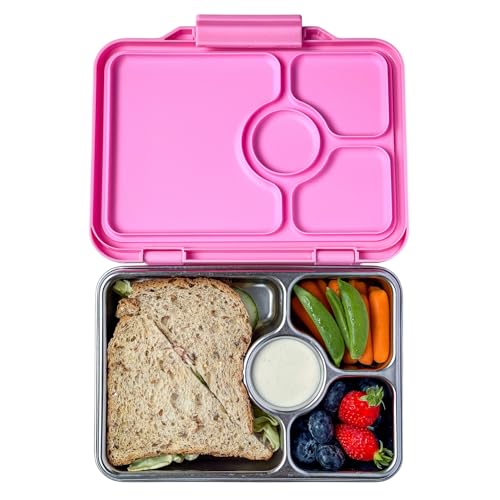
I tested the Yumbox Prêt Stainless Steel Bento Box (the newer stainless steel line) and the classic plastic Yumbox AlleyOop. The stainless steel version is fantastic—it doesn't hold odors (no more lingering carrot smell) and keeps food warm or cold longer. However, the classic plastic version is what most parents know. It’s made from BPA-free, phthalate-free, and lead-free polypropylene. It’s tough. I dropped mine down a flight of stairs, and it didn't even crack. The compartments are designed to keep wet and dry foods separate, which is a lifesaver when your kid refuses to let their apple touch their cheese.
The only downside? It’s heavier. If your child is carrying a full backpack *and* a heavy lunchbox, they might complain. But for durability and ease of cleaning, Yumbox is hard to beat. Almost every piece is top-rack dishwasher safe, which means less hand-washing for you.
About Bentgo
Bentgo entered the scene with a promise of simplicity and style. If Yumbox is the practical workhorse, Bentgo is the sleek sedan. Their design is minimalist, with smooth curves and a variety of colors that look great in a highchair or on a lunch table. The Bentgo Kids and Bentgo Fresh lines are their most popular products.
The Bentgo box is essentially one large compartment with a removable divider. This is great for older kids who like to mix things around or for packing larger items like sandwiches or fruit skewers. It’s lighter than the Yumbox, which is a plus for little ones. The lid snaps on securely, and the silicone seal helps prevent leaks—though I wouldn't trust it 100% with soups or yogurt without an extra layer of protection.
However, the "one size fits all" compartment can be a challenge for picky eaters. If your child needs strict separation between their hummus and their crackers, you might find yourself buying additional small containers to fit inside the Bentgo. Also, while the plastic is BPA-free, some parents have reported that the lids can warp slightly in the dishwasher over time, leading to a less secure seal. It’s a solid product, but it requires a bit more creativity when packing.
Head-to-Head: Durability & Cleanup
Let’s talk about the real test: the dishwasher and the drop test. Yumbox wins hands down here. The plastic is thicker and more resistant to staining and warping. I’ve had my Yumbox for three years, and it looks almost new. The stainless steel Prêt model is even better—it’s virtually indestructible and doesn't retain odors. Cleanup is a breeze because the trays are smooth and don't have tiny crevices where food can get stuck.
Bentgo is decent, but not as robust. The plastic is thinner, which makes it lighter but also more prone to cracking if dropped on a hard floor. The lid seal is the weak point; after about a year of regular use, I noticed it wasn't snapping back into place as tightly. Cleanup is also slightly more annoying because the divider can trap crumbs, and the larger surface area means more scrubbing if something spills. For a 5-year-old who throws their lunchbox across the room, Yumbox is the safer bet.
Head-to-Head: Design & Usability for Kids
This is where it gets interesting. Yumbox’s compartmentalized design is perfect for toddlers and young kids who are learning to eat independently. The small sections help with portion control and prevent the "touching food" issue. However, for older kids, the small compartments can feel restrictive. They might want to mix their snacks or fit a larger sandwich in.
Bentgo’s open design is better for school-aged kids (5-12). They can pack bigger items, like a whole sandwich or a large piece of fruit, without struggling to fit it into a tiny slot. The lid is also easier for kids to open and close because it has a simple snap mechanism. Yumbox’s lid, while secure, can be a bit tricky for younger hands to align properly. If you have a kid who is self-sufficient and doesn't need portion control, Bentgo is more user-friendly.
Head-to-Head: Price & Value
Yumbox is more expensive. A basic Yumbox box runs about $35-$45, and the stainless steel Prêt model can cost up to $55. Bentgo is more affordable, typically ranging from $20-$35. However, you need to consider the long-term value. With Yumbox, you can buy just the trays as your child grows, extending the life of the box. With Bentgo, you might find yourself buying a new box as your child outgrows the compartment sizes.
If you are on a tight budget, Bentgo is a great entry point. But if you view lunchboxes as an investment that will last through multiple school years, Yumbox offers better value over time. Plus, the resale value for Yumbox products is higher if you decide to sell them on Facebook Marketplace later.
Who Should Choose Yumbox?
Choose Yumbox if:
- You have a toddler or preschooler (ages 2-5) who needs small, manageable portions.
- Your child is a picky eater who refuses to let foods touch.
- You want a low-maintenance lunchbox that can go in the dishwasher without worry.
- You prefer durability over style and weight.
- You are willing to pay a bit more for a product that will last through multiple kids.
Who Should Choose Bentgo?
Choose Bentgo if:
- You have a school-aged child (ages 5-12) who can pack their own lunch.
- You want a lighter lunchbox that doesn't add weight to the backpack.
- You prefer a sleek, modern design that looks good.
- You are on a budget and want a good quality box without breaking the bank.
- Your child likes to mix their food or pack larger items like sandwiches.
Our Verdict
After months of testing, my honest recommendation is this: Yumbox is the better overall product, but Bentgo is the better value for older kids.
If you have a toddler or young child, go with Yumbox. The compartmentalized design, durability, and ease of cleaning are worth the extra cost. It will save you time and frustration during the picky-eater years. However, if your child is in elementary school and can handle a bit more independence, Bentgo is a stylish, affordable, and functional choice. Just be prepared to buy a few extra small containers for organization.
Ultimately, the best lunchbox is the one your kid will actually use. If they prefer the look and feel of Bentgo, buy that one. A lunchbox they love is better than a "perfect" lunchbox they refuse to open.
Frequently Asked Questions
Are Yumbox and Bentgo BPA-free?
Yes, both brands use BPA-free, phthalate-free, and lead-free materials. Yumbox explicitly states this on their website, and Bentgo follows similar safety standards. Both are safe for kids.
Can I put Yumbox and Bentgo in the dishwasher?
Yes, both are top-rack dishwasher safe. However, for Yumbox, I recommend using the top rack only to prevent warping. For Bentgo, the lids may warp over time if exposed to high heat, so air drying is safer.
Which box is better for leak-proofing?
Yumbox is generally more leak-proof due to its tighter seal and sturdier construction. Bentgo is "leak-resistant" but not 100% leak-proof, especially with soups or yogurt. For wet foods, I recommend using a separate silicone pouch inside the Bentgo.
Can I buy replacement parts for these boxes?
Yes, both brands sell replacement lids, trays, and dividers on their websites and Amazon. Yumbox trays are interchangeable across many of their models, which adds to their long-term value.
What age is best for a bento-style lunch box?
Bento-style boxes are great for ages 2 and up. Toddlers benefit from the portion control, and older kids appreciate the organization. However, kids under 3 might need help opening the lids, so look for easy-grip designs.
Sarah Whitfield is a mom of three and a freelance writer who specializes in parenting products. She has tested over 50 lunchboxes and is not affiliated with Yumbox or Bentgo. This article contains honest reviews based on personal experience.


