

How to Choose the Right Popsicle Molds
Feeding kids can sometimes feel like a never-ending adventure—melted ice pops running down the sleeves, sticky fingers reaching for anything shiny, and the chaos of trying to keep everything safe and sanitary. Enter popsicle molds: the simple joy of making your own frozen treats at home, tailored to your kid's favorite flavors, without the questionable ingredients or spills.
Our Top Picks
Affiliate disclosure: if you buy through these links, we may earn a commission at no extra cost to you.
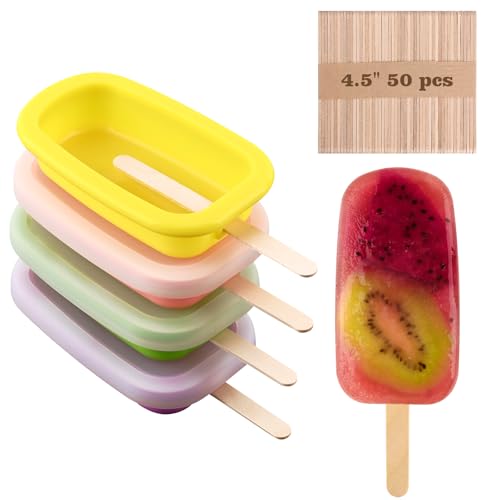
But with dozens of shapes, sizes, and safety features out there, how do you pick the perfect set? The right popsicle molds can make summer snacks a breeze, but choosing the wrong ones might turn into a crunchy melty mess or, worse, a safety concern. Let’s walk through everything you need to know, based on real-world parenting chaos and what actually survives the freezer battlefield!
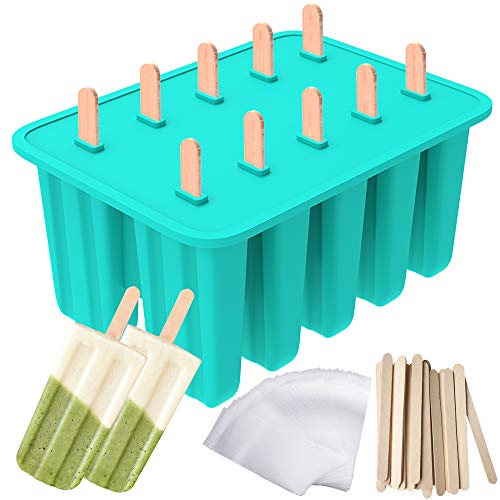
Ozera Popsicles Molds, 10-Cavity Popsicle Maker Molds Silicone Popsicle Molds, Homemade Popcical Molds Ice Pop Molds with 50 Popsicle Sticks, 50 Popsicle Bags (Green)
$15.49Check Price
Table of Contents
Material Matters: BPA-Free & Safe Options
When it comes to kids’ kitchen gear, safety is king—especially for items that go straight into those tiny mouths. The most important factor in choosing popsicle molds is ensuring they’re made from BPA-free, phthalate-free, and food-grade silicone or plastic. These materials won’t leach any harmful chemicals into your homemade ice pops, even if they sit in the freezer for a while. Trust me, there’s enough questionable stuff in the world—your icy treats shouldn’t be adding to it.
Silicone molds are usually my favorite—they’re flexible, making it much easier to remove frozen pops without breaking them. Plus, high-quality silicone is dishwasher safe and durable enough to survive being thrown into the top rack, even during the post-snack meltdown chaos.
Size & Shape: Fun & Functional Designs
The shape and size of your popsicle molds can turn a typical afternoon snack into an event. Think about your child’s age and preferences—smaller molds are perfect for toddlers who might struggle with bigger treats, while larger, fun-shaped molds can make older kids excited about snack time. Popular shapes include cartoon characters, animals, or simply classic rectangles and circles.
Shape isn’t just about fun; it also affects how easily the popsicle comes out. Flexible silicone molds tend to release pops more easily than rigid plastic ones, which might require a little wrestling and a lot of patience. Also, check the size—big enough to satisfy but not so large that it becomes a meltdown in the middle of cooking or eating.
Ease of Filling & Removing
Kids love to help in the kitchen—until they get frustrated with tricky molds that spill or refuse to release their icy creation. Choose molds with wide mouths or easy-fill features, so little hands can pour or spoon in juice, yogurt, or pureed fruit without a headache. Handles or secure lids also help keep everything in place while freezing.
Look for a mold that releases easily—silicone molds that can be flexed around the frozen pop are your best friends here. If your child is under 3, consider molds with built-in sticks, so they don’t have to worry about inserting the sticks after freezing—less mess, less fuss.
Cleaning & Durability
Let’s be honest—cleaning sticky, drippy popsicle molds is often the least fun part of snack prepping. The good news is that dishwasher-safe molds make life easier, but pay attention to the joint areas or hinges—those tricky spots can trap sticky residue over time. A sturdy, durable mold can withstand bites, drops, and being tossed into the dishwasher repeatedly without warping or cracking.
If your mold has removable parts or sticks, ensure they’re dishwasher safe as well. Avoid molds with complicated locking mechanisms or delicate details that might break off during scrubbing or when your toddler tries to use them as chew toys.
Age Suitability & Safety Tips
Most popsicle molds are suitable for kids as young as 12 months, but always check the manufacturer’s age recommendations. For little ones just getting their teeth, avoid super-hard plastic molds—they might cause discomfort or chipping. Instead, go for softer silicone options or pre-cut frozen fruit on a stick for easy handling.
Safety-wise, supervise children during the filling process, especially if using liquid ingredients. Make sure the mold is stable during freezing—an overly flimsy mold can tip over or spill. And, of course, always remind your child not to bite into the frozen treat too aggressively to prevent chipped teeth or choking hazards.
Frequently Asked Questions
Are silicone popsicle molds safe for kids?
Absolutely! Look for BPA-free, food-grade silicone options. They’re flexible, safe, and easy for kids to handle with supervision.
How do I remove frozen popsicles easily?
Flex the silicone mold gently or run it briefly under warm water (not hot) to loosen the pops. Some molds even have built-in handles for easy grip.
Can I put popsicle molds in the dishwasher?
Most are dishwasher safe—just check the packaging. It's usually easiest to clean molds that have removable sticks or plugs.
What's the best mold shape for small kids?
Small, rounded shapes or simple rectangles are easiest for little hands—and less likely to cause a toddler tantrum during removal.
How long should I freeze pops?
Typically 4-6 hours is enough, but for the best firmness, leave them overnight. Just be sure the mold is filled properly and sealed tightly.
Can I use juice or yogurt in molds?
Yes! Just be mindful of sugar content and avoid overfilling to prevent spills. For creamy textures like yogurt, freeze longer for a solid, satisfying treat.
Choosing the perfect popsicle mold isn’t just about getting a cool shape—it’s about selecting safe, durable, and kid-friendly gear that withstands the chaos of feeding tiny humans. A good mold makes snack prep fun, easy, and safe, turning hot summer days into icy adventures your kids will love—and actually thank you for.
Next step? Take a good look at your freezer stash, pick a mold that suits your child’s age and personality, and get ready for a delicious, mess-free summer of homemade popsicles!


