

How to Choose the Right Child-Safe Knives
Match the knife to your child’s developmental stage: toddlers (about 2–4 years) need non-sharp blades that can slice soft foods like bananas and strawberries, while children aged 6–9 can use small, child-friendly knives with blunt edges for firmer fruits and vegetables. Using age-appropriate utensils reduces the chance of accidents and helps kids actually participate in meal prep, which studies show encourages trying new foods (Wirecutter). As a parent who’s tested these at the breakfast table, start with very soft foods and graduate slowly once they show control.
Table of Contents
Our Top Picks
Affiliate disclosure: if you buy through these links, we may earn a commission at no extra cost to you.

Factors to Consider
Understanding Age-Appropriate Knives for Kids
Safety Features to Look For
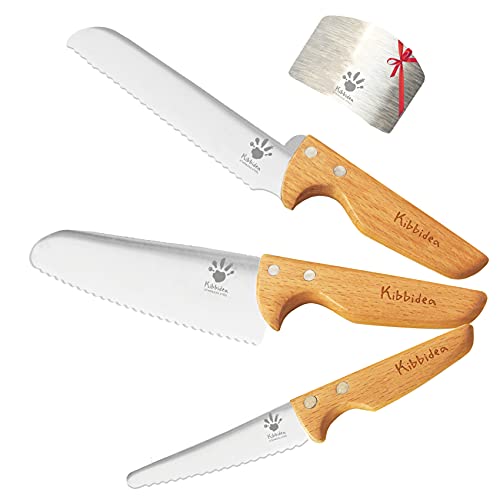
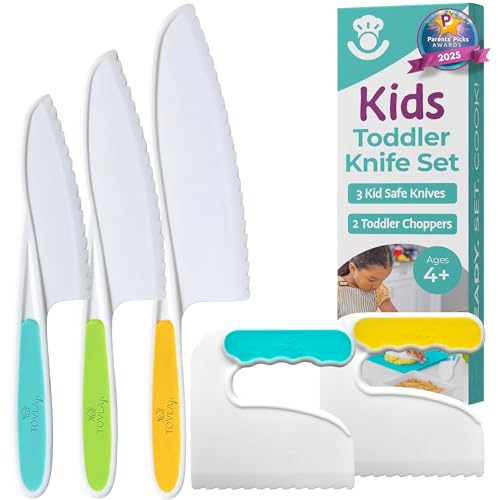
Prioritize knives with rounded or serrated blunt edges, finger guards, and non-slip grips—these features minimize cuts while still cutting food. Look for clear age recommendations on the packaging and choose products that emphasize function over toy-like designs; experts warn that tools should encourage real cooking skills, not play (expert insight). And yes, always pair the tool with simple kitchen rules: ask before using, no running, and adult help with hot surfaces.
Handle Design and Ergonomics
Ergonomic handles make a huge difference—kids can control a knife better if the grip fits their small hands, which directly enhances safety. Test for a chunky, textured handle that prevents slips and allows a comfortable pinch or three-finger hold; this is especially important for 4–9 year-olds learning knife technique. If it feels awkward in your hand, it will feel worse in theirs—trust your parent-hands test.
Durability, Materials, and Cleaning
Choose BPA-free, dishwasher-safe materials that survive the inevitable toss or sink-side smacking; stainless-steel blades with protective coatings and sturdy plastic handles usually hold up best. Durable construction also means the blade won’t nick or chip into dangerous bits, and dishwasher-safe parts save your sanity on weeknights (Delish notes the right tools ease mealtime stress). Avoid flimsy “toy” plastic blades that bend or break after a few uses.
Encouraging Enjoyment and Independence
Pick knives that look friendly but perform well—fun colors can motivate a 3–7 year-old to help with snacks, but the tool should still teach real skills. Cooking with kids builds life skills and independence, so aim for tools that allow them to do real tasks like slicing strawberries or soft-cooking vegetables (Wirecutter). Set clear milestones—once they can slice a banana safely, try a soft-cooked carrot next—and celebrate the tiny victories (stickers optional).
Frequently Asked Questions
Are child-safe knives actually safe?
They’re designed to be much safer than adult knives—blunt or serrated edges cut food but not skin as easily, and features like finger guards and non-slip handles further reduce risk. However, “safe” doesn’t mean unsupervised: adult oversight and simple kitchen rules are still essential, especially for toddlers.
What age is appropriate to start using a child-safe knife?
For toddlers (around 2–4 years), non-sharp knives that cut only very soft foods are best; children aged 6–9 can usually handle small blunt-edged knives for firmer fruits and vegetables. Progress at your child’s pace—fine motor control and attention span matter more than exact age.
How should I teach my child knife safety?
Set clear, consistent rules (ask before using, sit while cutting, always cut away from fingers) and demonstrate technique slowly—experts recommend pairing tools with education on hot surfaces and supervision. Hands-on practice with soft foods builds skill and confidence while minimizing risk.
What materials should I look for—are they dishwasher-safe and BPA-free?
Look for BPA-free plastics and stainless-steel blades or ceramic edges that are labeled dishwasher-safe to save cleanup time; many good child-safe knives are designed for busy parents and can go in the top rack. Durable, non-toxic materials also prevent dangerous degradation over time.
Will these knives survive being thrown or dropped?
Durability varies by brand, but the best child-safe knives have sturdy handles and blades that won’t chip or crack if dropped; avoid thin plastic “toy” knives that bend or break. Even so, reinforce the rule that knives stay on the cutting surface—replacing one less-than-durable knife is cheaper than nursing a cut.
Can child-safe knives cut anything besides fruit?
They’re built to handle soft to moderately firm foods—bananas, strawberries, soft cheeses, and cooked veggies are ideal. For hard items like raw carrots or nuts, wait until your child can safely handle a sturdier, age-appropriate knife (typically closer to 6–9 years) or have an adult pre-cut them.
Do cooking tools actually help kids eat new foods and help parents?
Yes—studies show cooking with kids exposes them to new foods and gets them involved in meal prep (Wirecutter), and age-appropriate utensils are linked to safer kitchen participation (A Casa Mia). Parents also report lower mealtime stress when they have the right tools to involve kids effectively (Delish).
Conclusion
In short: start small, prioritize blunt blades and ergonomic grips, and choose durable, dishwasher-safe, BPA-free options that won’t feel like toys. My recommendation as a slightly sleep-deprived, well-tested parent: pick a soft-food toddler knife to begin, then move to a small blunt-edged knife for older kids (6–9) so they can truly help—and enjoy—mealtime.


