

Best Kids Cooking Sets For Everyday Use In 2026
🏆 Top Picks at a Glance
 #1
Best Overall
Cicicooie Kids Cooking Sets Real Easy Montessori Kitchen Safe Tools Making for Beginner Cooking Educational (Green)
$53.98
Check Price →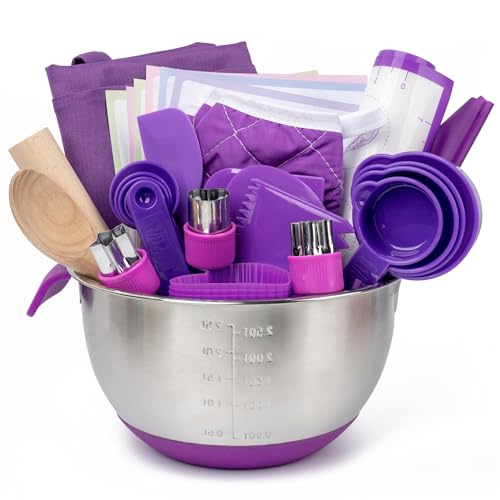 #2
Runner Up
Kids Baking Set with Real Cooking Utensils and Measuring Tools (Purple)
$36.99
Check Price → #3
Best Value
Baketivity 31-Piece Kids Baking Tools Set for Young Chefs
$39.99
Check Price →After enough flour on the floor to qualify as a small weather event, I’ve learned that the best kids’ cooking set isn’t the one with the most tiny gadgets—it’s the one children can use safely, enjoy repeatedly, and accidentally drop without ending the lesson. TheLivingLook says kids’ cooking sets generally serve ages 3–12, with three-year-olds washing fruit and tearing greens, ages 4–6 spreading and scooping, and older children learning to whisk and measure. In this roundup, I’m looking at the Cicicooie, Baketivity, purple and blue baking sets, wooden utensil set, and Tovla Jr. knife set for everyday practicality: BPA-free materials, dishwasher-safe cleanup, durable construction, sensible age suitability, and tools kids actually want to pick up again.
⚡ Quick Answer: Best Kids Cooking Sets
Best for Montessori Beginners: Cicicooie Kids Cooking Sets Real Easy Montessori Kitchen Safe Tools Making for Beginner Cooking Educational (Green)
$53.98 — Check price on Amazon →
Table of Contents
Main Points
- Match the set to the child’s age and motor skills. Start ages 3–4 with washing, tearing, scooping, and spreading; ages 4–6 can progress to soft-food safety knives, while ages 7–12 may be ready for whisking and measuring. The Tovla Jr. set is labeled for ages 4–12, but supervision and task difficulty should still match the individual child.
- Make material safety a non-negotiable filter. Prefer stainless steel or food-grade silicone, rounded-tip utensils, stable or weighted bases, and no loose detachable parts. TheLivingLook specifically advises avoiding BPA-, phthalate-, or unverified-coating-heavy plastics, especially for children under 6 who are still likely to mouth objects.
- Choose functional tools over decorative clutter. A set is more useful when children can genuinely scoop, measure, mix, spread, or prepare ingredients instead of simply pretending to cook; repeated real tasks build confidence and food literacy while giving parents fewer toys to step on.
- Look for dishwasher-safe components and construction that can handle household chaos. Check whether handles feel secure, measuring tools are readable, wooden pieces are smoothly finished, and utensils can survive being dropped, shoved into a drawer, or launched across the kitchen without becoming unsafe.
- Favor kits that support repeatable projects, not one afternoon of excitement. According to TheLivingLook, a strong cooking kit combines child-scaled equipment, structured activity guides, and ingredient-based projects; for ages 5–10, step-by-step visual recipes and whole-food ingredient cards can make the tools easier and more enjoyable to use independently.
Our Top Picks
Affiliate disclosure: if you buy through these links, we may earn a commission at no extra cost to you.
Factors to Consider
Frequently Asked Questions
What age are kids cooking sets suitable for?
Kids cooking sets generally serve children from about ages 3–12, although individual products may start earlier or later. A 3-year-old may wash fruit or tear lettuce, while a 4- to 6-year-old can try spreading, scooping, and cutting soft foods with a safety knife; older children can progress to whisking and measuring.
Are kids cooking sets safe for toddlers?
Look for a clearly stated age range, rounded tips, stable or weighted bases, and no small detachable parts, and choose non-electric tools for young children. TheLivingLook advises avoiding plastic-heavy sets containing BPA, phthalates, or unverified coatings, particularly for children under 6, and toddlers should always be supervised during use.
Should I buy real cooking tools or a pretend-play kitchen set?
Choose real, child-scaled tools if you want your child to practice everyday food preparation; ages 4–6 can often handle soft foods with an appropriate safety knife, while ages 7–12 may be ready for whisking and measuring. Pretend-play sets can still be fun for younger children—for example, Littlechefgear lists the Step2 Best Chefs Kids Kitchen Playset as a 25-accessory toy set for ages 2 and older—but toy accessories do not replace usable food-prep equipment.
What materials should I look for in a children’s cooking kit?
Stainless steel and food-grade silicone are strong starting points, especially when paired with rounded edges, stable bases, and dishwasher-safe construction. Also look for ASTM F963 or EN71 certification and avoid relying on vague claims such as “natural” or “wellness-focused” without material and safety details.
What should a cooking kit for ages 5–10 include?
TheLivingLook recommends real stainless-steel tools, whole-food ingredient cards, and visual, step-by-step recipes for children ages 5–10. These features turn the kit into practice for sequencing, measuring, and food literacy rather than a one-time craft project.
Are kids cooking kits worth the money?
They can be worthwhile when the kit supports tasks your child will repeat, such as mixing, spreading, scooping, assembling snacks, or preparing lunch. TheLivingLook describes a typical cooking kit as a combination of child-scaled equipment, structured activity guides, and ingredient-based projects, so compare those elements instead of choosing solely by accessory count or the fact that interest in kids cooking sets has grown since 2020.
How do I keep a kids cooking set clean and organized?
Dishwasher-safe utensils and containers make the biggest difference for everyday use, while smooth surfaces and minimal crevices reduce leftover food and sticky surprises. this set in a low, labeled bin so children can retrieve and return it safely, and inspect regularly for cracked silicone, loose handles, sharp edges, or small pieces that are no longer secure.
Conclusion
The best kids cooking set for everyday use is the one that matches your child’s age, survives ordinary kitchen chaos, and makes useful food-preparation tasks feel achievable. For most families, I’d choose a dishwasher-safe set with stainless-steel or food-grade silicone tools, clear age guidance, safety certification, and simple recipes that grow from soft-food prep at ages 3–6 to measuring and whisking for children ages 7–12.


